




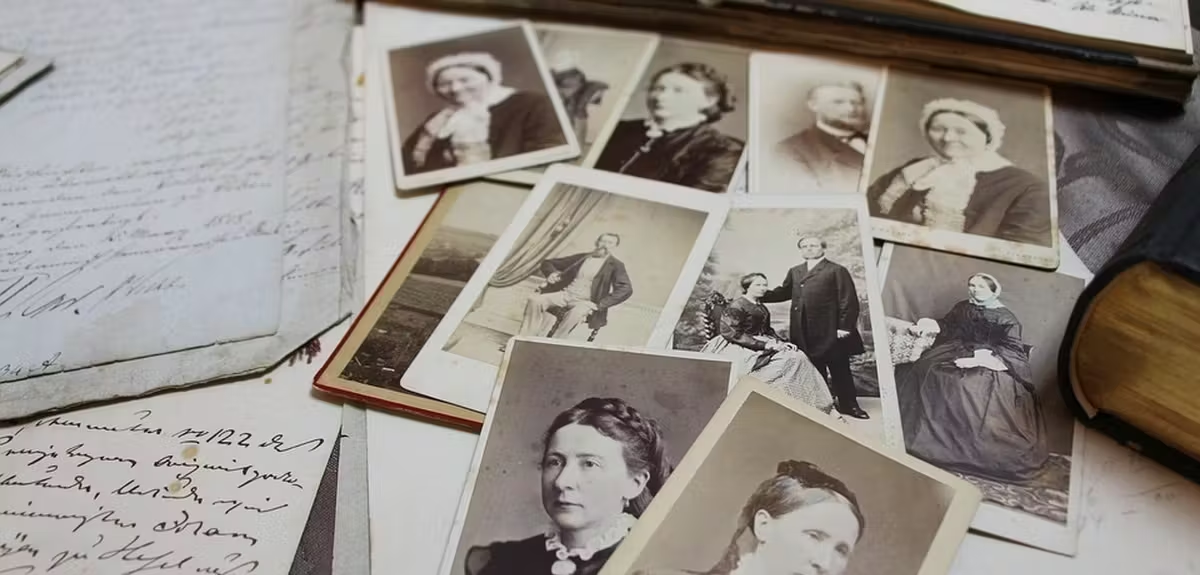
Oral histories in family lineage research play a crucial role in understanding our ancestry. They offer personal insights and stories that you might not find in traditional records. This method helps to preserve family narratives and brings your heritage to life. In this article, we’ll discuss the importance of oral histories, how to collect them, and ways to incorporate them into your family research.
The Importance of Oral Histories
Oral histories provide a unique perspective on your family’s past. Unlike written documents, these stories are rich in emotion and context. They allow you to hear directly from family members about their experiences, struggles, and achievements. These narratives can fill in gaps left by official records, giving you a more complete picture of your lineage.
Moreover, oral histories can highlight cultural traditions, values, and beliefs passed down through generations. They capture the essence of your family’s identity and help you understand how your ancestors lived. By recording these stories, you create a living legacy that can be shared with future generations.
While exploring family oral histories, we often uncover unexpected stories that reveal our ancestors’ daily lives.
Some narratives might mention how relatives earned livelihoods through various means, including what some might consider forms of online gambling today.
These accounts provide valuable context about social norms and economic strategies in different eras. Recording these personal histories ensures we preserve the full spectrum of our familial past. Understanding these diverse experiences helps paint a richer picture of our lineage.
Genealogical research reminds us that every generation faces unique challenges and opportunities. By documenting these stories, we honor the complexity of our ancestors’ lives. Oral histories remain one of the most powerful tools in family research methodology.
Collecting Oral Histories
To begin gathering oral histories in family lineage research, start by identifying family members you want to interview. Focus on those who have firsthand knowledge of your family’s history, such as grandparents or older relatives. It’s essential to approach these individuals with respect and express your genuine interest in their stories.
When conducting interviews, prepare a list of open-ended questions to guide the conversation. For example, ask about their childhood, significant life events, and family traditions. This approach encourages them to share their memories in detail.
It’s also helpful to create a comfortable atmosphere for the interview. Choose a quiet place where your relative feels at ease. Ensure that you have a recording device or take notes during the conversation to capture their words accurately.
Preserving Oral Histories
Once you’ve collected oral histories, the next step is to preserve them. Recording interviews is a great way to ensure that these valuable narratives are not lost. You can use audio or video recording devices for this purpose. If you’re using audio, consider transcribing the recordings to create written records.
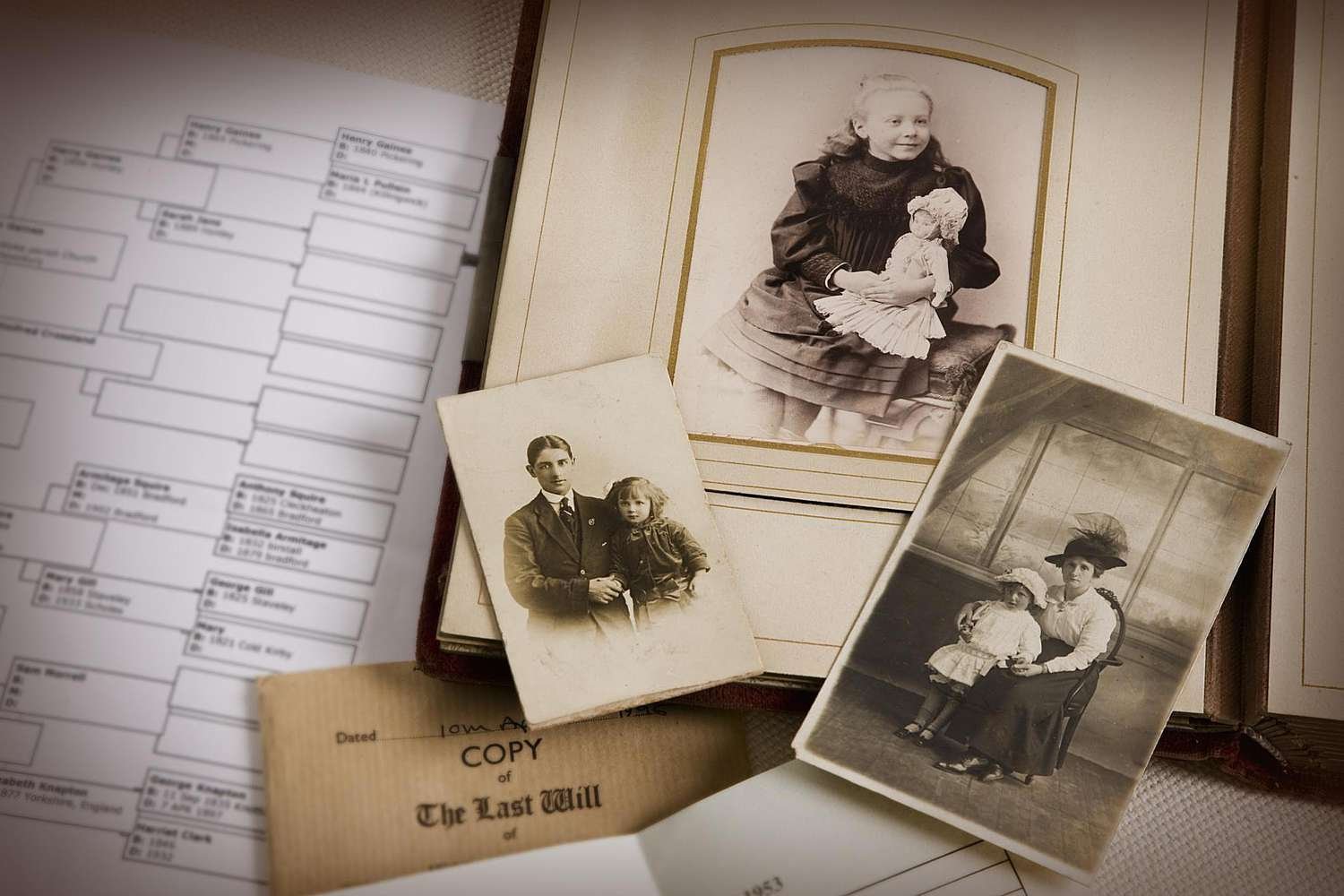
In addition to audio and video recordings, consider compiling these stories into a family history book. Include photographs, documents, and other memorabilia to enrich the narratives. This book can become a treasured keepsake that your family can pass down through generations.
Incorporating Oral Histories into Your Research
After collecting and preserving oral histories, it’s time to incorporate them into your family lineage research. Use these narratives to fill in gaps in your family tree. For example, if an ancestor’s name is missing from a record, an oral story might provide insights into their life that you can document.
Moreover, oral histories can help contextualize historical events that affected your family. They can provide personal accounts of experiences during wars, migrations, or other significant occurrences. By integrating these stories into your research, you create a richer and more nuanced understanding of your family history.
Sharing Oral Histories
Sharing oral histories in family lineage research is equally important. Organize family gatherings where you can share these stories with relatives. This can strengthen family bonds and encourage others to contribute their memories.
Consider creating an online family tree or website to share your findings. This digital platform allows family members to access oral histories and learn more about their heritage. You might also consider social media groups dedicated to your family lineage, where members can share stories and updates.
Respecting Privacy
When collecting and sharing oral histories, always respect the privacy of your relatives. Some may not want their stories shared publicly. Before recording or publishing any interviews, obtain permission from the individuals involved. This practice shows respect for their experiences and encourages trust within your family.
Conclusion
Oral histories in family lineage research are invaluable. They enrich our understanding of who we are by connecting us to our past. By gathering, preserving, and sharing these narratives, you can create a meaningful legacy for future generations. This process not only helps you learn more about your ancestry but also strengthens family bonds through shared stories.